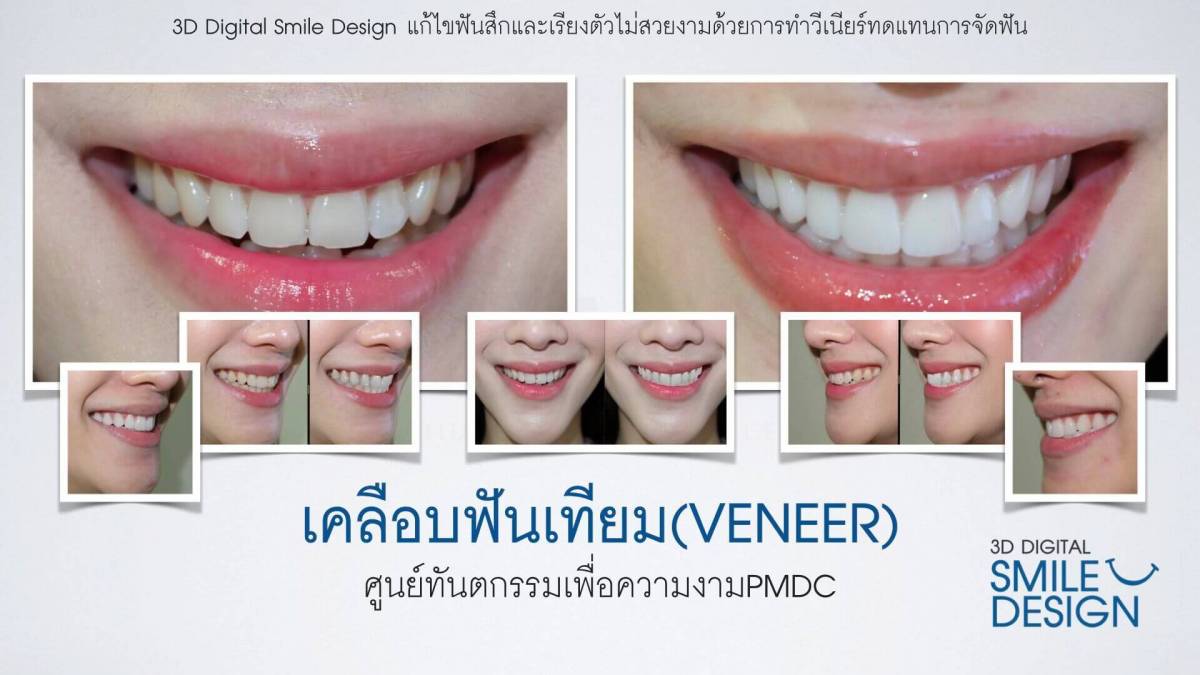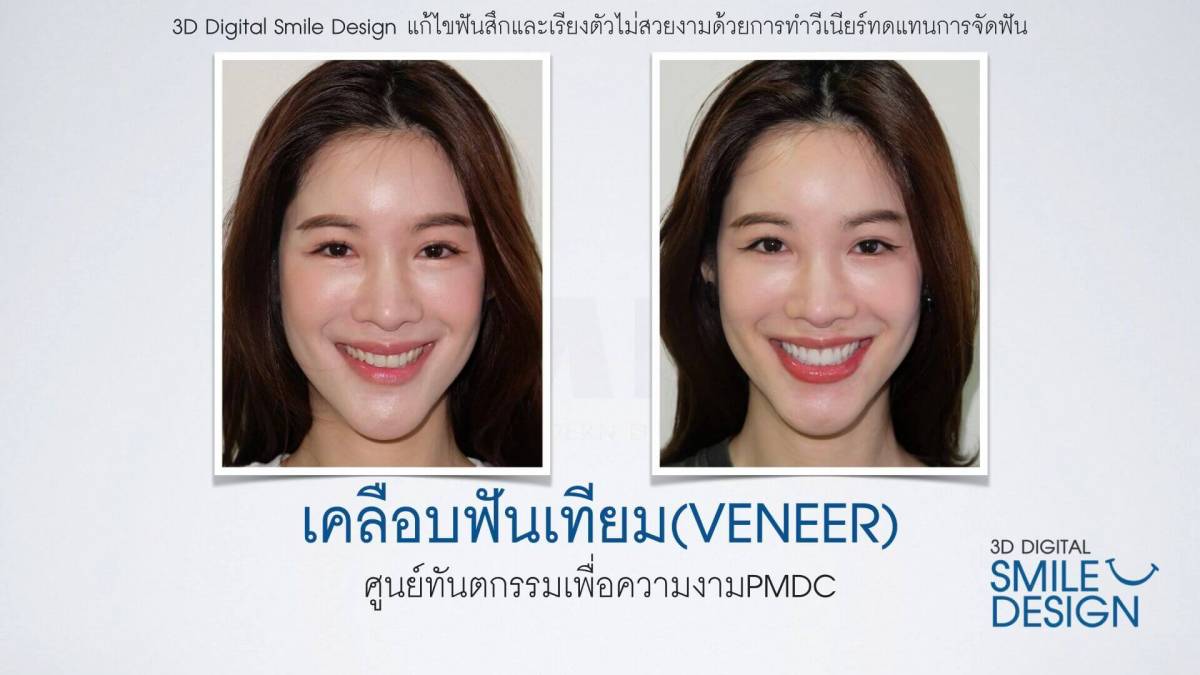
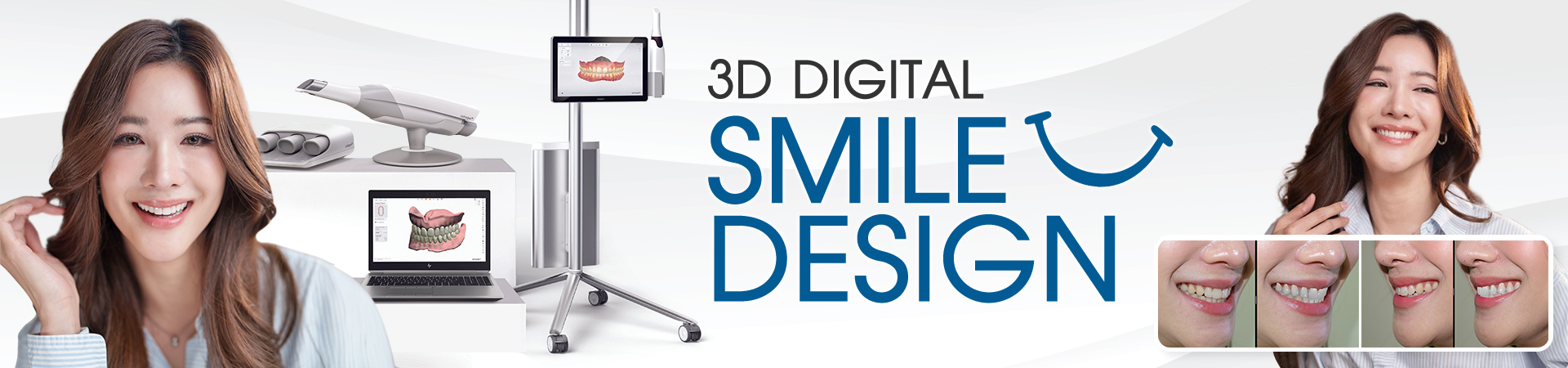
What is 3D Digital Smile Design?
With today’s advanced dental technology, we can design a patient’s smile and create a realistic simulation for the patient to review before making a decision to proceed with treatment. When a smile design is combined with digital impression technology using an Intraoral scanner, the captured data can be used to fabricate restorations that accurately match the planned design. This approach is far superior to conventional methods, which rely mainly on verbal communication from the dentist or the dentist’s interpretation of the patient’s expectations. These may not always align, and there is often no clear, tangible visualization of the desired smile, which can result in outcomes that do not fully satisfy the patients.
Smile simulations can be created at different levels from simple 2D designs to more complex and time-intensive 3D models. Digital Smile Design also plays an important role in integrating facial features and smile dynamics into the treatment plan. Traditional methods typically consider only upper and lower jaw models, without incorporating facial relationships. As a result, restorations may look aesthetically pleasing on a model but appear misaligned or incompatible with the patient’s overall facial appearance when placed in the mouth.
Therefore, 3D Digital Smile Design provides significant benefits in modern aesthetic dentistry. The designed smile can be applied to a wide range of treatments, including crowns, veneers, dental implants, partial removable dentures, and full dentures.
Intraoral Scanner
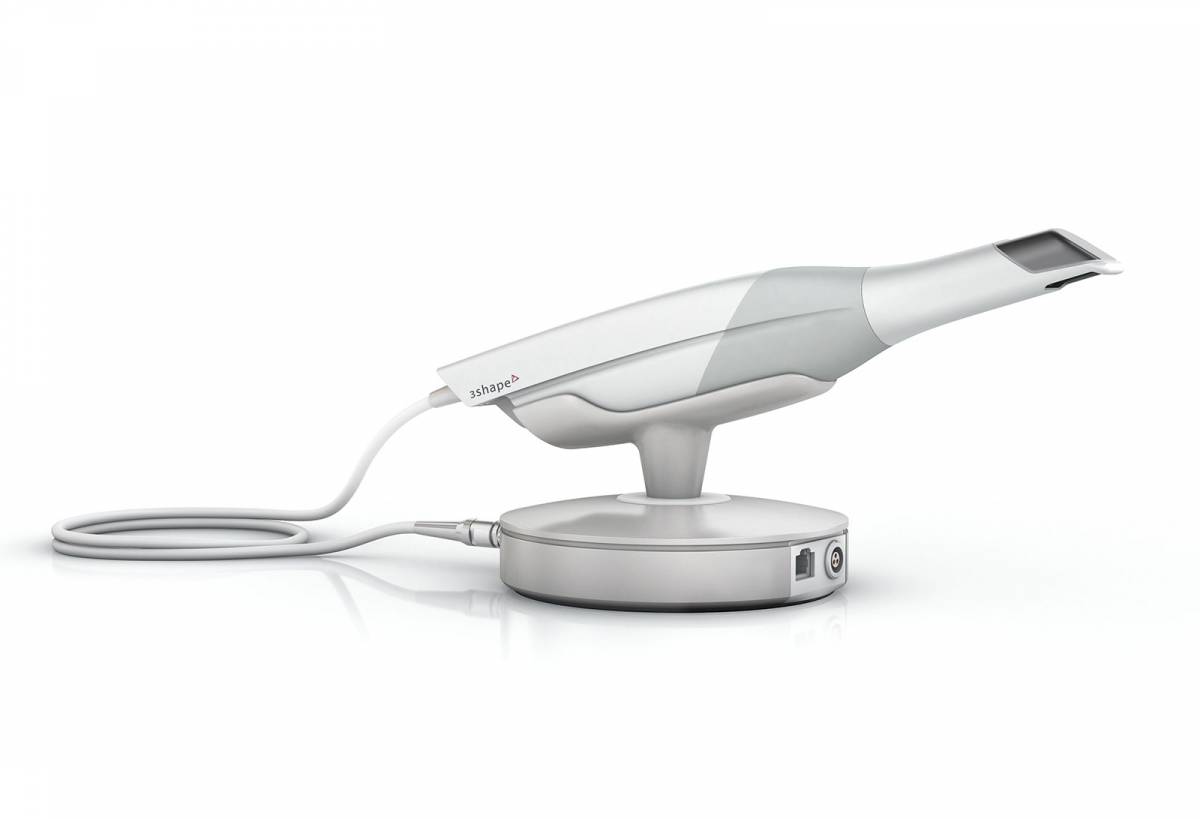
An Intraoral scanner is a device used to take digital impressions. The resulting impressions are stored as computer data and displayed as a three-dimensional model of the teeth, which can be viewed and rotated from different angles. This data can be used to fabricate dental restorations using CAD/CAM technology—designing restorations digitally and producing them either as physical models or final restorations using milling machines based on the digital data. This workflow simplifies the fabrication process compared to traditional dental laboratory techniques. Using software, restorations can be designed quickly, and realistic simulations can be
created and adjusted until satisfactory before proceeding to manufacturing. Additionally, the final restorations can be precisely controlled to match the 3D Digital Smile Design plan, greatly benefiting aesthetic dental treatments.
Intraoral scanners work by projecting light onto the dental arches and capturing the reflected signals with sensors, similar in concept to parking sensors in automobiles. This allows the system to calculate distances and construct accurate 3D models. Digital impressions are static, meaning there is no pressure applied to teeth or soft tissues. The process is fast, clean, and comfortable. Dentists can pause at any time, rescan specific areas if needed, or refine preparations without having to repeat the entire impression. Typically, each arch can be scanned in less than one minute, making the procedure efficient and more comfortable than conventional impression techniques.
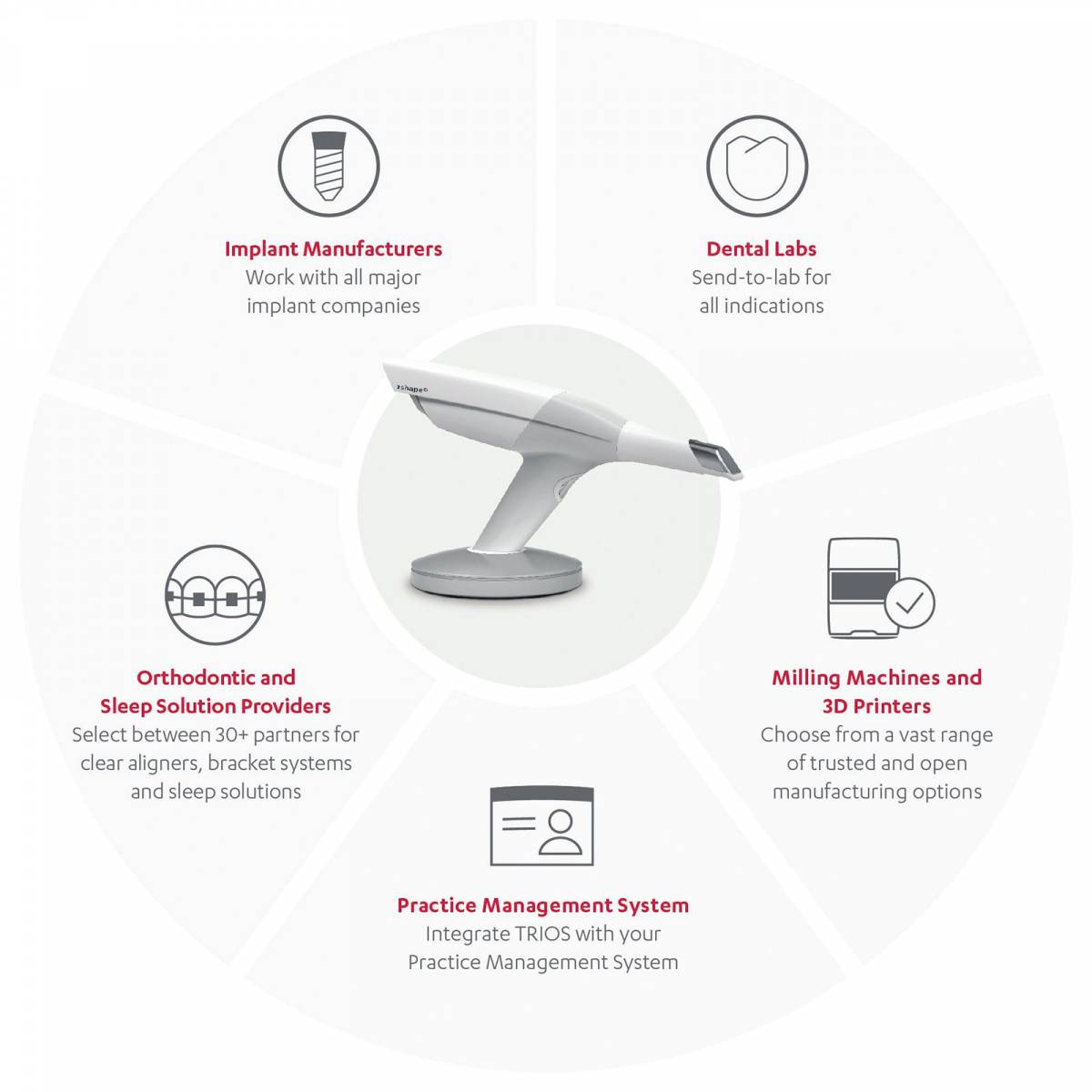
PMDC uses the Trios 3 Wireless Intraoral scanner by 3Shape, one of the most advanced and widely used systems for restorative dentistry. Its wireless design allows for ease of use without cable limitations, enabling fast and efficient scanning. It is globally recognized and supports both restorative and orthodontic workflows, including systems such as Invisalign.
3D Digital Smile Design
PMDC currently utilizes advanced 3D Digital Smile Design technology, allowing patients to visualize their future smile from the front and both side views before starting treatment. Viewing the smile from the side is particularly important, as it reveals tooth dimensions such as protrusion or retrusion details that cannot be fully appreciated from a frontal view alone. The process begins with clinical photography (front and both side views), followed by intraoral scanning of both upper and lower arches. The dentist then discusses the desired smile with the patient.
Next, the 3D scan data is used to simulate occlusion and design the restorations according to the patient’s preferences. Bite relationships are evaluated in multiple dimensions, including centric and eccentric positions, resulting in a Virtual Final Restoration a realistic digital representation of the final outcome that is both functional and achievable. These designs are then processed into overlay images (front and side views) and presented to the patient. Patients can review, request modifications, and refine their smile design until they are fully satisfied before treatment begins. During treatment, specialized software allows the dentist to compare pre-treatment and post-treatment conditions, helping determine precisely where tooth reduction is necessary or not needed at all thereby improving efficiency and preserving tooth structure.
Steps for 3D Digital Smile Design
- Capture digital photographs (front and both side views) and video recordings to analyze smile dynamics. Video helps assess the relationship between teeth and lips during movement, such as smile line, gum display, visibility of upper and lower teeth, and occlusal plane alignment during speech.
- Take panoramic X-rays and, if necessary CT scans for comprehensive evaluation.
- Conduct a detailed consultation to understand the patient’s desired smile and develop a treatment plan, including cost estimation. Treatment options may include veneers, crowns, a combination of both, full-mouth rehabilitation, removable dentures, or dental implants.
- Perform digital impressions using an Intraoral scanner to create a 3D model. The patient can then return home and wait for preview images (front and side views) to be delivered via Line Application or other preferred social network communication.
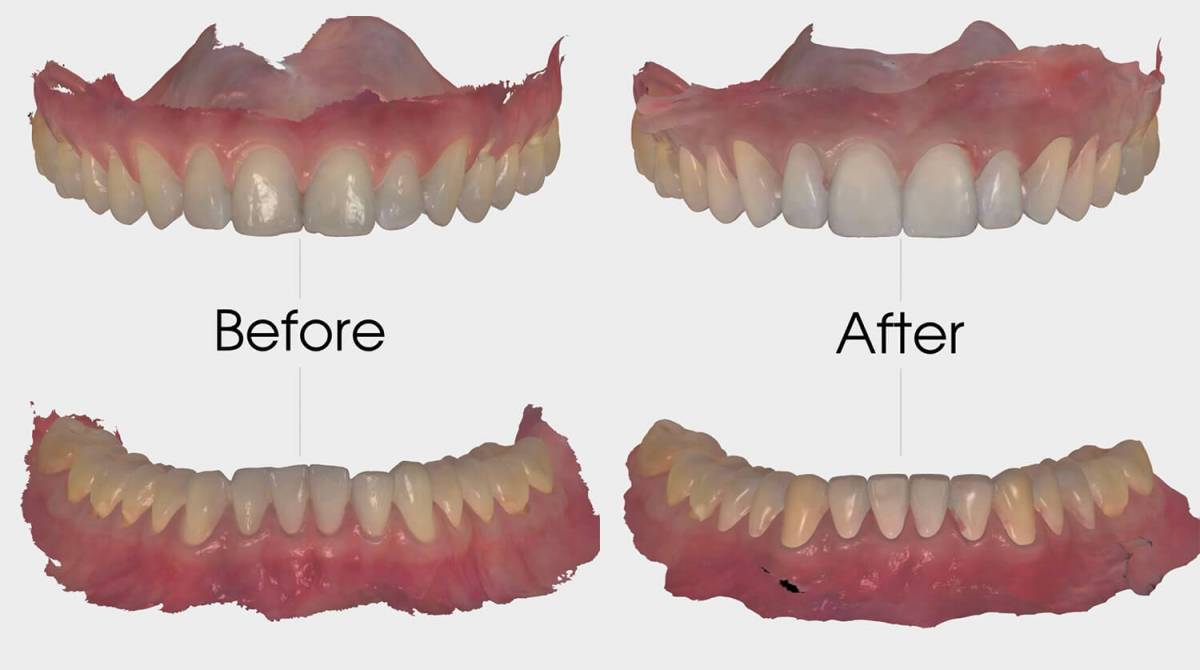
-
The dentist creates a Virtual Final Restoration based on the scan data and patient preferences. Comparison images (front and side views) are generated and shared with the patient. The patient can request revisions until satisfied before scheduling treatment.
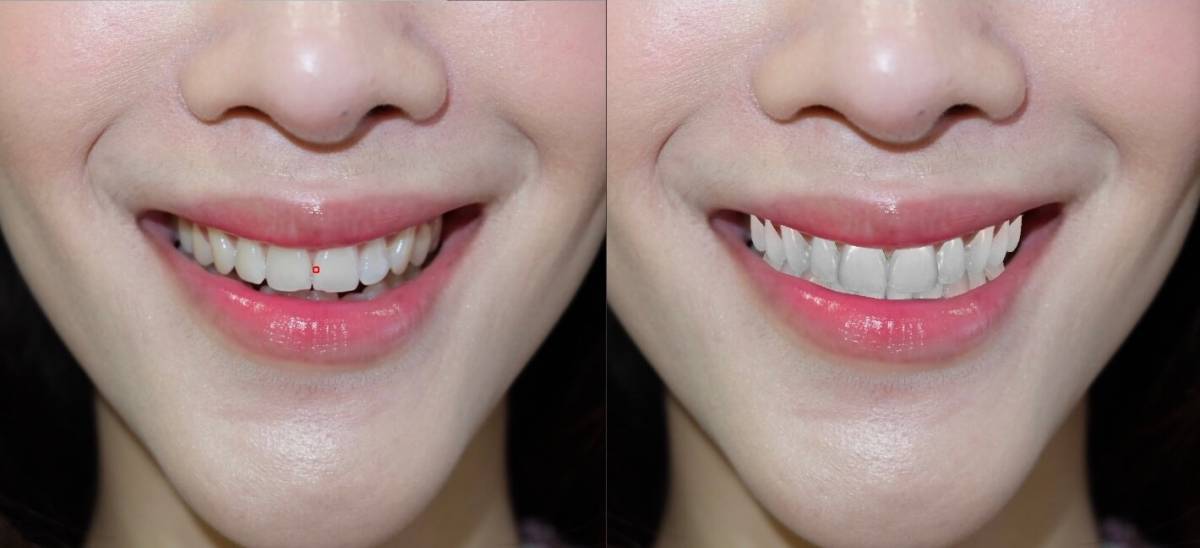
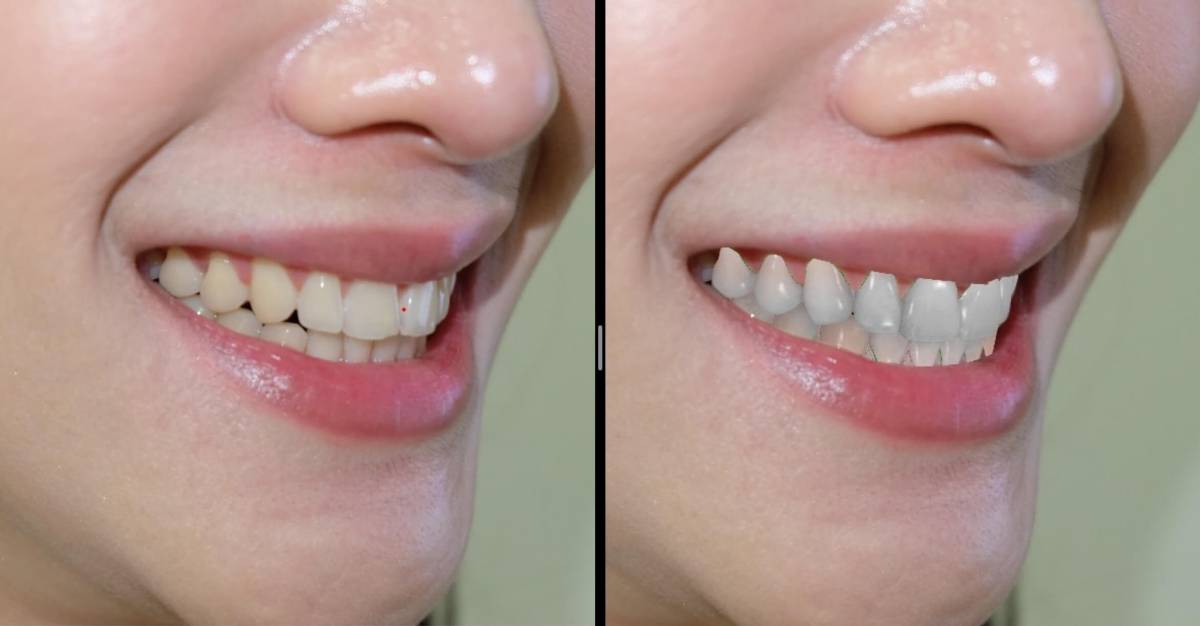
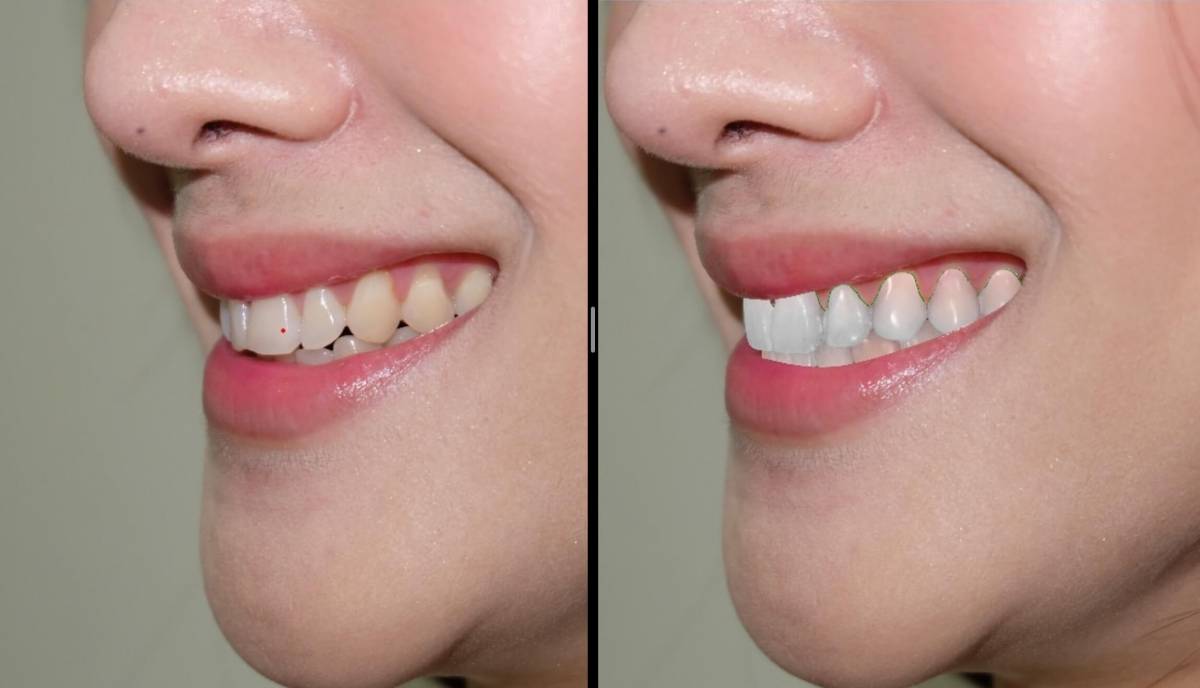
3D Digital Smile Design Treatment Results